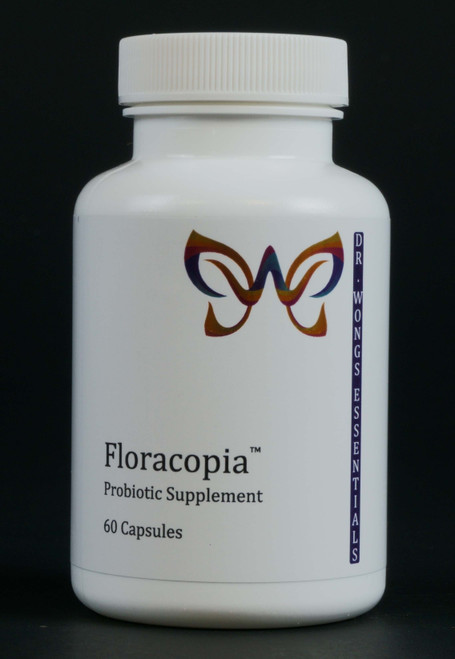
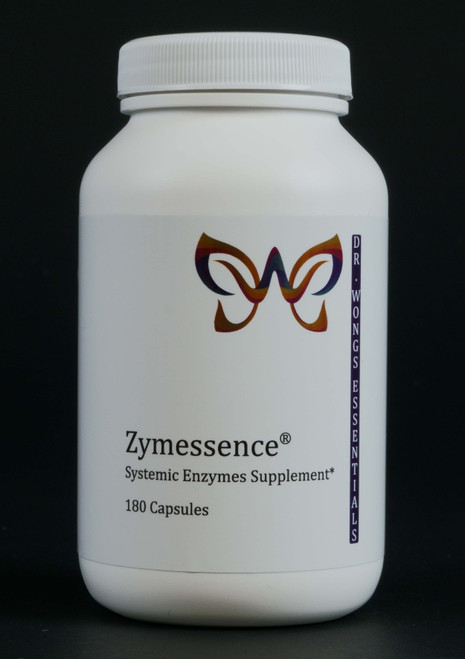
Bacillus Coagulans: Also known as Lactobacillus Sporogenes and Weizmannia coagulans: is a spore-forming, "good" bacteria (probiotic) that is able to go dormant during harsh conditions allowing it to survive in an environment that may kill off other forms of probiotics. Benefits include:
-
- Helps promote a stable, internal intestinal environment.*
- May help relieve constiptation, diarrhea, gas and indigestion.[1]*
- May help relieve symptoms of IBS (irritable bowel syndrome)[2]*
- may increase immune response to keep the body healthy and well[3].*
Inulin: A dietary fiber, inulin is found in many fruits, vegetables and herbs. Most commonly made from soaking chicory roots in hot water. Inulin is a type of Prebiotic: meaning it stays in the bowel and acts as nourishment (food) for the "friendly" probiotic bacteria to grow and colonize.[4] It is also used to balance water content in the bowel which can help normalize both constipation and diarrhea. Additional benefits:
-
- Inulin clings to the bowel wall forming a colonizing medium for good bacteria to cling to and feed from.* this keeps the good bacteria from being passed out of the bowel before having its positive action in digestion and in colonizing the gut with good bacteria.*
- Inulin may help support the body's own normal blood sugar levels.*
- Supports the body in forcing out bad anaerobic yeast and bacteria.*
- Has been used to help the body naturally ird itself of H. Pylori.*
- May increase the body's uptake of calcium and maganesium.*
- May help improve the body's iron uptake from foods.*
L. Rhamnosus: One of the most well studied "friendly or good" bacteria (probiotic) found in the intestines. May help in these situations:
-
- Prevent candida albicans from colonizing intestinal walls[5]*
- Relieve diarrhea especially when associated with antibiotic use.*
- May help relieve IBS (irritable bowel syndrome) symptoms*
- Strengthen the gut barrier protecting the body from harmful substances*
- Increase digestive health*
- Help reduce the incidence of urinary tract infections*
- May help restore health vaginal flora.*
Molybdenum Glycinate Chelate: A highly absorbably form of Molybdenum, it is an essential trace mineral that acts as a cofactor for enzymes involved processing proteins and in the metabolizm of sulfur-containing amino acids. Molybdenum is also involved in the process:
-
- of energy production,
- the regulation of copper levels and
- detoxification which is what helps prevent any brain brain fog issues associated with a high candida yeast die-off.
Potassium Bitartrate (Cream of Tartar): During the late Dr. Tommy Reavis' practice, the use of Cream of Tartar was an integral part of his program to fight candida overgrowth.* And even though it has other documented health benefits, it is from Dr. Reavis' patient successes that helped us develop this product with the inclusion of the Cream of Tartar. As Dr. Wong says: "The Cream of Tartar is a must for supporting the body in the removal of the yeast from the intestines and/or any other place it could be hiding!*"
Now to what's been documented thru science: A biproduct of wine making, it naturally has a high potassium content. The FDA has approved its use to help control pH and as an antimicrobial agent.[6].* Due to it's naturally high potassium content, cream of tartar may:
-
- help fluid balance thus reducing water retention
- relieve constipation
- help reduce blood pressure
- help prevent kidney stones
Serrapeptase: A potent enzyme, serrapeptase is included in our Candessence® to create a "clean" environment to rid the intestines of yeast so the probiotics can thrive:
-
- helping the body break down food*
- increase the absorption of nutrients*
- reduce digestive stress*
- support a healthy inflammation response
- encourage the body's natural healing processes*